The 6 Best Data Structures and Algorithms Books – From Beginner to Interview Level
Looking for the best data structures and algorithms book? This guide highlights 6 top-rated picks for beginners, Python learners, and coding interview prep, with practical insights on what each book covers and who it's best suited for.
When learning to code—whether you're a CS major or an aspiring developer—data structures and algorithms are fundamental concepts that you’ll need to understand deeply at some point. But with so many books out there, each covering different topics and levels, it can be overwhelming to figure out where to start.
From beginner-friendly intros to full-blown coding interview prep guides, there are dozens of books on data structures and algorithms published around the world.
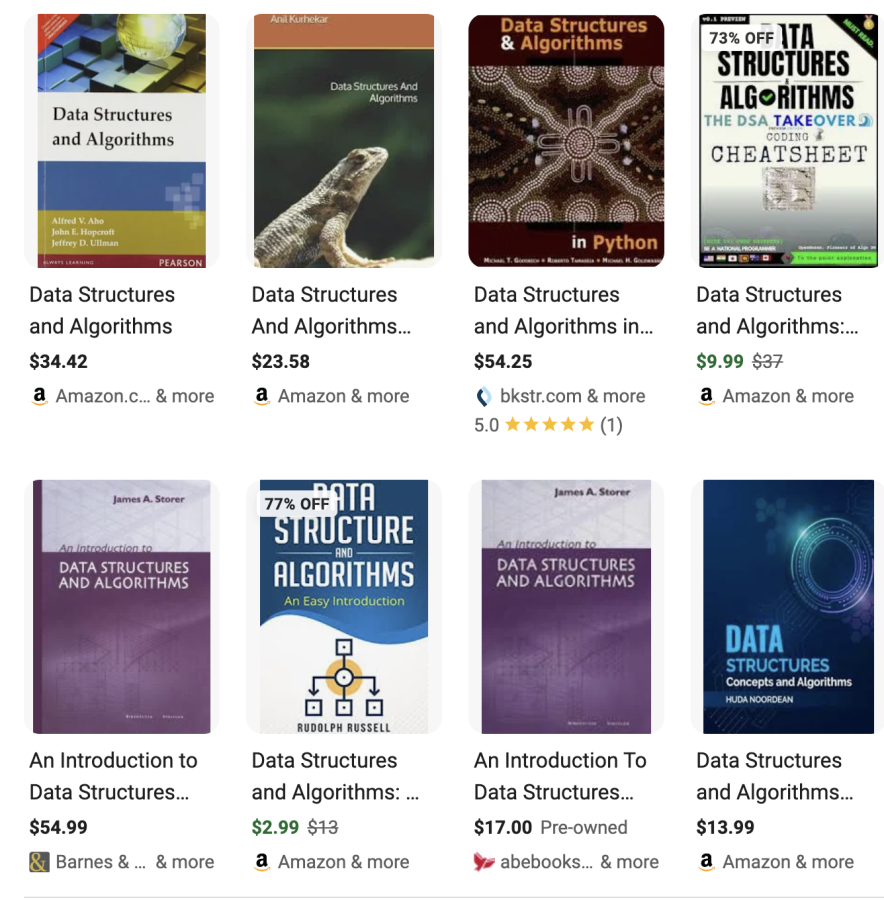
This guide introduces 6 highly recommended books for learners at every stage—from absolute beginners to those prepping for technical interviews or working on real-world projects. For each book, we clearly break down “What’s Inside” and “Why We Recommend It,” so you can find the one that best fits your current goal and learning style.
1. Grokking Algorithms
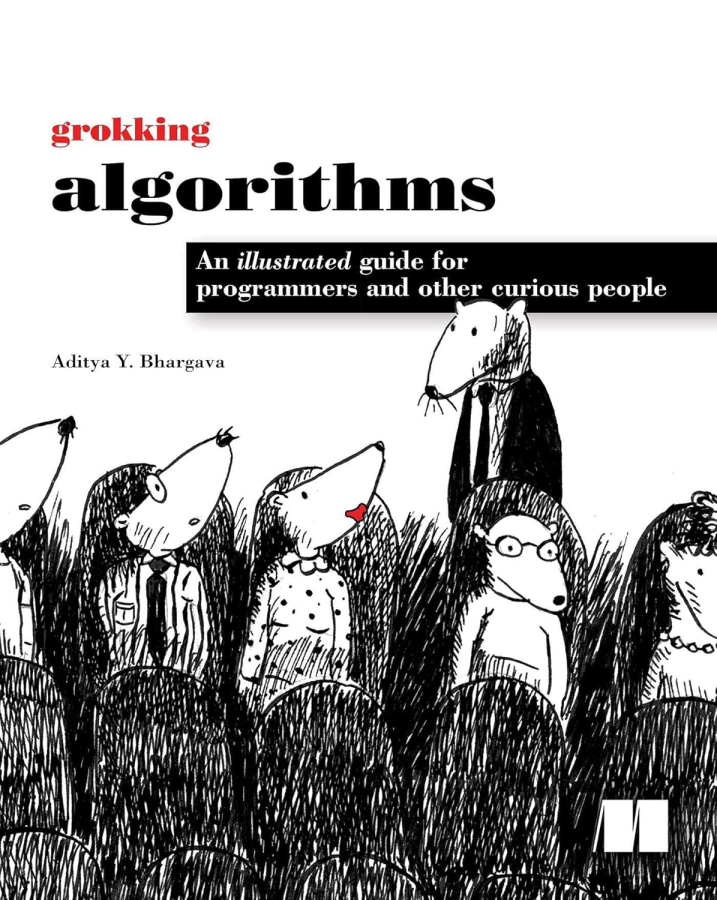
An Illustrated Guide for Programmers and Other Curious People
Perfect for beginners who want to understand algorithms without getting overwhelmed
Looking for a beginner-friendly data structures and algorithms book that doesn’t overwhelm you with theory? Grokking Algorithms is a visual-first introduction to core algorithmic thinking—perfect for those new to programming or intimidated by complex math.
This book uses clear illustrations, real-world metaphors, and Python-based examples to make concepts like sorting, searching, and graph traversal approachable. It helps you build algorithmic intuition from the ground up and gently introduces advanced topics like compression and basic AI.
Whether you’re a non-CS major or visual learner, this is often the most recommended book for easing into algorithms without stress. Plus, you can easily find free PDF versions online to preview the content.
What’s Inside:
Search, sort, and graph algorithms explained visually
400+ illustrations to walk you through each concept
Performance trade-offs between algorithms
Clear, beginner-friendly Python code samples
Why We Recommend It:
Best pick for visual learners and beginners without a math-heavy background
Helps you understand “why” each algorithm matters—not just how to code it
Often ranked #1 on Amazon for entry-level algorithm books
An ideal first step before diving into deeper data structures and algorithms books
2. Beginner's Step-by-Step Coding Course: Learn Computer Programming the Easy Way
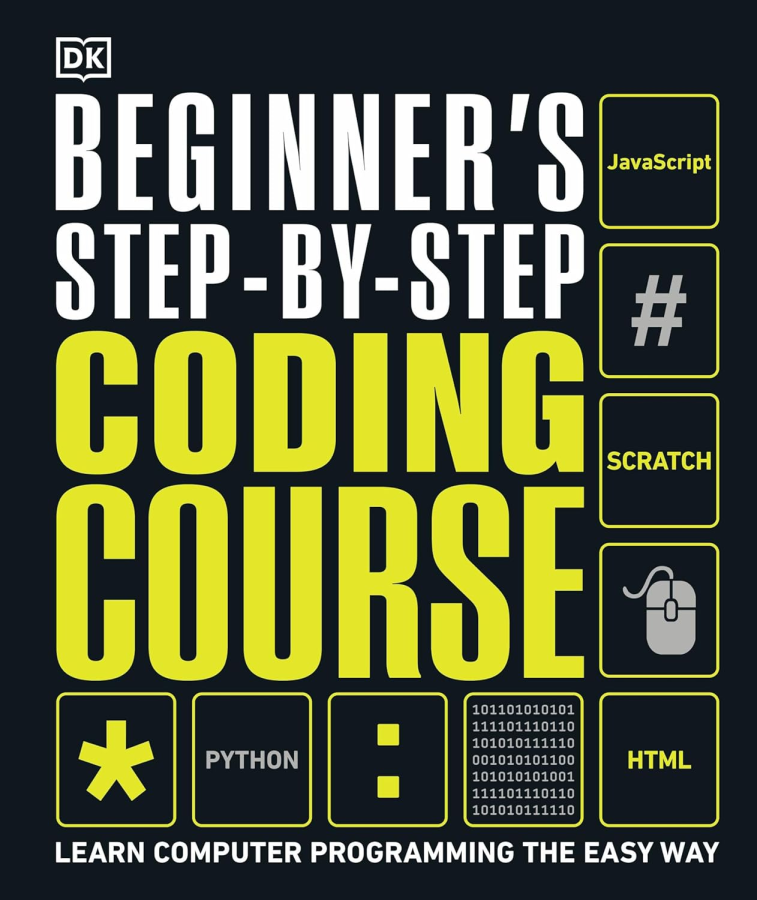
A truly beginner-friendly programming book before diving into data structures and algorithms
As the title suggests, this book is a “super easy” coding introduction for complete beginners. If you want to solidify your understanding of programming before jumping into data structures and algorithms, this book is the perfect place to start.
It walks you through the basic ideas of how code works and introduces simple algorithmic thinking using step-by-step explanations and visuals. You’ll build your confidence as you understand how programming languages think and how simple logic flows work. It’s a great fit for anyone who’s brand new to programming and wants a friendly guide that’s approachable and non-intimidating—even for non-developers.
What's Inside:
Visual explanations of each line of code
Challenges to personalize your own coding projects
Covers widely-used languages with beginner-friendly tone
Written by a team of expert coders
Structured to reinforce thinking like a developer
Why We Recommend It:
Perfect for total beginners who want to get a gentle start
Strong visual storytelling and gradual structure for better understanding
Ideal for building programming “instinct” before tackling algorithms
Teaches how computers “think,” making it especially great for non-CS learners
3. Python Crash Course
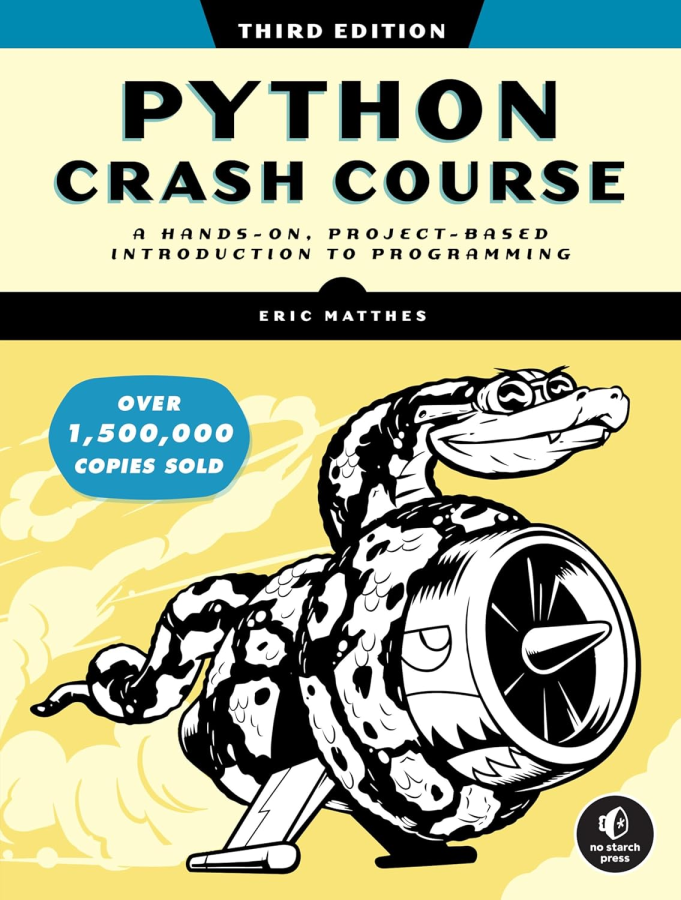
Learn programming fundamentals and data structures with Python
Known as one of the best Python beginner books, Python Crash Course is a perfect fit for anyone who wants to learn Python before diving into data structures. The book is structured to take you from Python basics to hands-on projects that naturally incorporate data structures like lists and dictionaries.
It covers essential Python concepts like variables, lists, conditionals, functions, and classes with a practice-oriented approach. You’ll also build three real projects—a simple game, a data visualization, and a web app—so you can connect theory and practice with ease. It even walks you through debugging and writing clean code, making it one of the most well-rounded beginner programming books available.
What's Inside:
Python basics: variables, loops, dictionaries, functions, classes
Projects: Space Invaders-style game, data visualization, and web application
How to test, debug, and write clean code
A practical and interactive learning structure for real-world apps
Why We Recommend It:
Learn Python fundamentals and basic data structures in one go
Project-based learning keeps it both practical and fun
Great for transitioning naturally into more advanced data structure or algorithm books
4. Cracking the Coding Interview
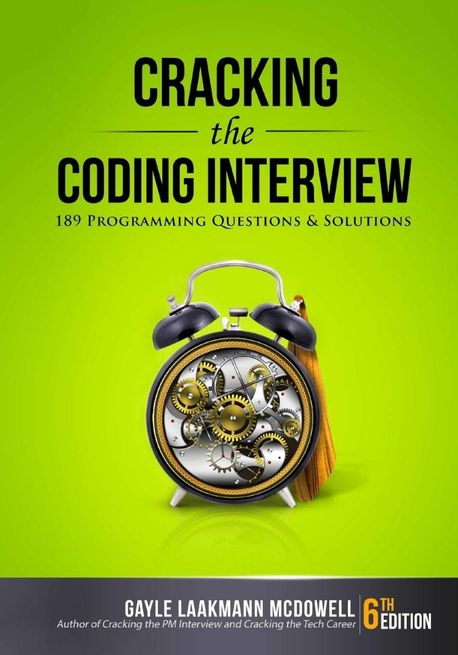
A must-read for anyone preparing for coding interviews
If you ask, “What’s the most popular coding interview prep book among U.S. developers?”—most will point to Cracking the Coding Interview. This book is known for its detailed analysis of how top tech companies like Google, Amazon, and Facebook conduct coding interviews—and how you can prepare for them.
It includes 189 real interview questions with step-by-step solutions and provides clear strategies for breaking down problems, getting hints, and building optimized answers. Beyond just problems and answers, it covers core computer science concepts, how to prepare before the interview, and even how interviewers evaluate your responses. It’s not just a book—it’s a full interview prep guide that helps you build both your problem-solving and communication skills.
Whether you’re an entry-level candidate or a mid-level developer looking to assess your weak spots, this book helps you prepare systematically and effectively.
What's Inside:
189 coding interview questions with hints and structured solutions
Covers data structures, algorithms, system design, and behavioral questions
Proven strategies to break down and communicate solutions
Interview prep checklist and insider tips from real tech recruiters
Why We Recommend It:
Practice real-world interview questions and solution strategies
Focuses on critical thinking and communication, not just correct answers
Considered a coding interview bible among U.S.-based developers
5. The Algorithm Design Manual
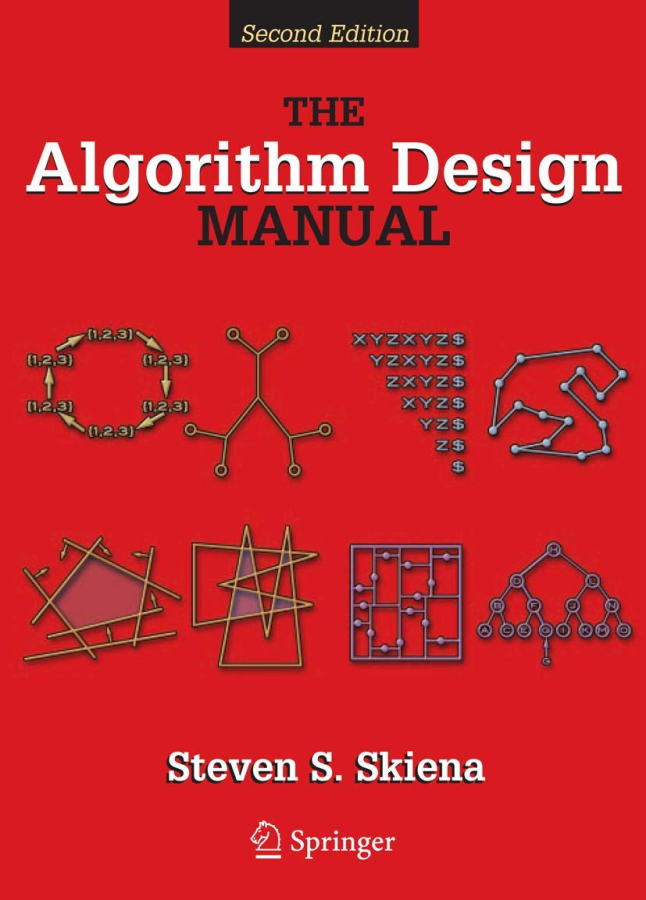
For building real-world algorithmic thinking skills
If you want to understand data structures and algorithms not just through memorization but through true design thinking, this book is for you. The Algorithm Design Manual focuses more on how algorithms are actually used in the real world than on purely academic theory.
Unlike overly theoretical textbooks, this one uses an intuitive and story-driven approach to explain concepts—especially useful for learning combinatorial algorithms. Each chapter includes hands-on examples and “stop and think” questions to help you pause and reflect during learning.
The book is divided into two parts: the first half explains the principles of algorithm design, complexity analysis, and performance comparisons. The second half functions like an algorithm encyclopedia, summarizing common algorithm types by category so you can quickly reference the right technique for the problem at hand.
This makes it one of the best data structures and algorithms books for developers who want practical, hands-on guidance.
What's Inside:
Real-world strategies for algorithm design and decision making
“Hitchhiker’s Guide” to practical algorithm use cases in development
Hundreds of problem types with intuitive explanations and sample implementations
Why We Recommend It:
Helps you think like an algorithm designer, not just solve problems
Ideal for intermediate learners or working developers
Shows clearly when, where, and why to apply each algorithm
6. Introduction to Algorithms (CLRS)
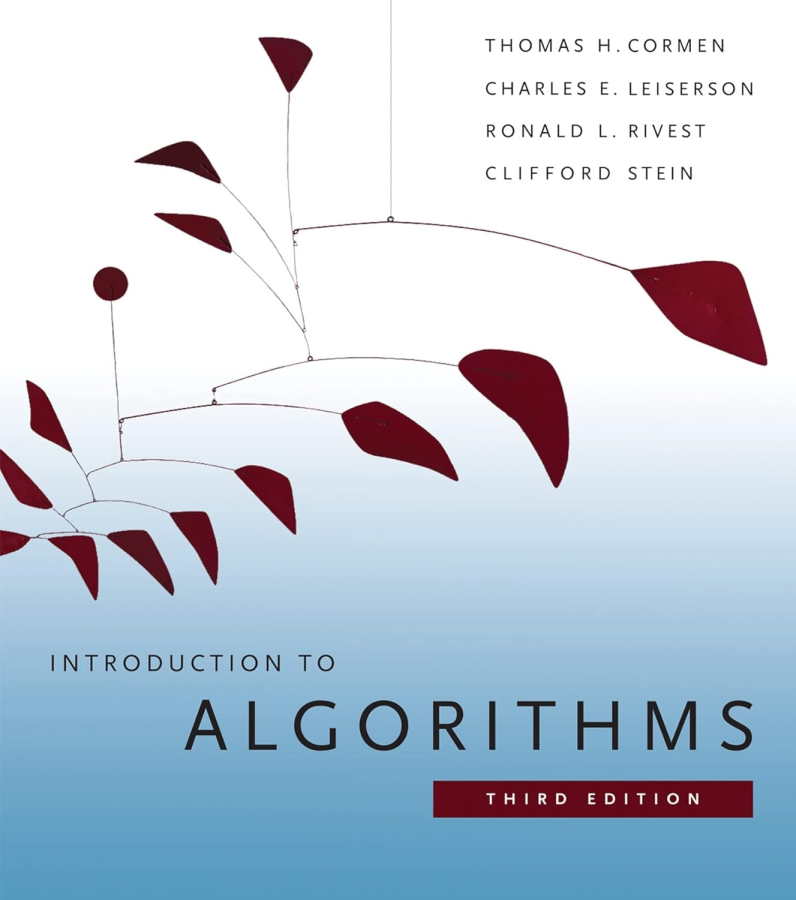
For those who want deep theoretical mastery
Used as a standard textbook in top computer science programs worldwide, this classic is often referred to simply as CLRS. Introduction to Algorithms is the go-to book for learners who want to deeply understand data structures and algorithms from a theoretical standpoint.
It covers everything from foundational algorithms to advanced topics like mathematical proofs, complexity theory, and real-world applications. The latest 4th edition includes chapters on online algorithms, bipartite graph matching, and even machine learning from an algorithmic perspective.
Over 100 new exercises have been added, and the explanations are clearer and more beginner-friendly than in previous editions. While it may be a challenging read for beginners, it’s highly recommended for serious learners who want a solid theoretical foundation.
What's Inside:
Comprehensive coverage of classical and modern algorithms
New topics: machine learning, online algorithms, and bipartite matching (4th ed.)
140+ new exercises with enhanced clarity and structure
Why We Recommend It:
The gold standard for academic learners or computer science majors
Ideal for mastering both data structures and algorithms at a deeper level
Offers mathematical rigor and conceptual clarity for advanced understanding
Which Book Should You Start With?
Your Situation | Recommended Book |
|---|---|
Complete beginner | Beginner's Step-by-Step Coding Course |
Want to learn with visuals | Grokking Algorithms |
Not familiar with Python yet | Python Crash Course |
Urgently preparing for interviews | Cracking the Coding Interview |
Want to apply algorithms at work | The Algorithm Design Manual |
Want in-depth theoretical learning | Introduction to Algorithms (CLRS) |
Start with the Right Book, Grow at Your Pace
Data structures and algorithms aren't something you master overnight. But if you start with the right book, learning can be a lot more enjoyable—and more sustainable. That said, just reading a book isn’t enough. If you only understand the theory but don’t practice solving problems, you’ll likely get stuck when facing real-world coding tasks.
To complete your learning, repeat the cycle of concept → practice → review consistently.
Want to apply what you’ve learned from these books right away?
Try Codetree, a hands-on coding platform where you can solve real-world problems tailored to your skill level. Strengthen your understanding and measure your progress through guided learning paths. If you want to truly master every data structures and algorithms concept, start learning today with Codetree.
Not sure where to begin? Take Codetree’s free skill assessment and get a personalized learning path tailored to your level.
Comments 0
0/2000
More articles
Interview Problem Explained: Guess Number Higher or Lower II(LeetCode 375, Minimax & Dynamic Programming)
Interview Problem Explained: Guess Number Higher or Lower (LeetCode 374, Binary Search)
Interview Problem Explained: Minimize String Length (LeetCode 2716)
Interview Problem Explained: To Lower Case (LeetCode 709, String Manipulation & ASCII Code)
Coding Test
- The 6 Best Data Structures and Algorithms Books – From Beginner to Interview Level
- Leetcode Alternatives: The Best Platforms for Coding Practice