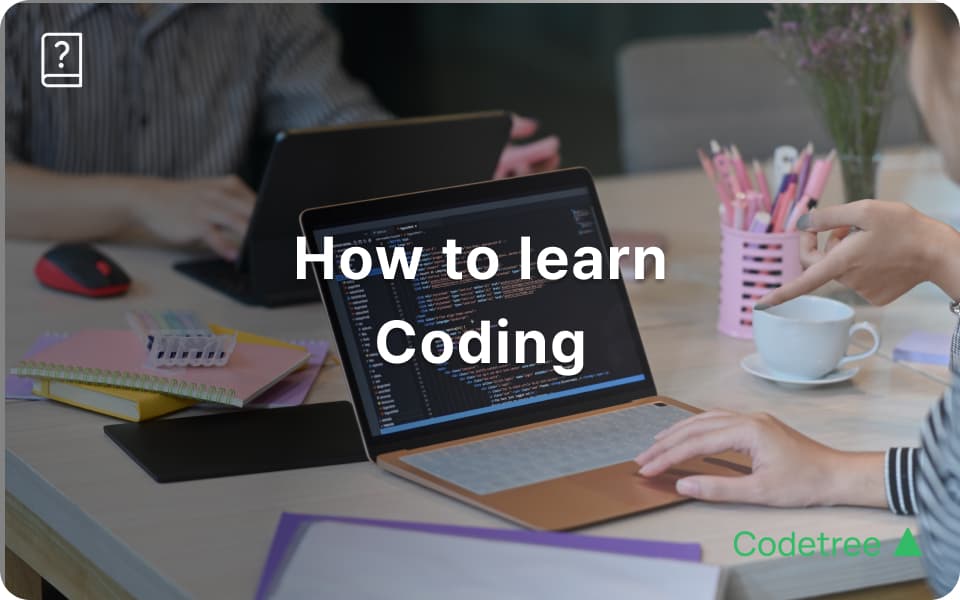
The Best Ways to Learn Programming for Beginners: A Comprehensive Guide
Discover the best ways to learn programming for beginners! Our comprehensive guide covers essential coding tips, beginner-friendly languages, structured learning resources, and practical advice to kickstart your coding journey.
First Steps in Coding: Everything Beginners Need to Know
If you're looking to discover how to learn programming for beginners, the best step you can take is simply getting started. You'll pick a programming language, learn its basic concepts, and explore various online resources. With numerous materials available, you'll gradually figure out what's essential and what’s not through experience. You might get inspired by someone else’s success story, or even face some failures. However, there's a way to reduce trial and error: following a reliable guide.
This guide has been crafted to help you navigate your coding learning journey step by step, outlining the necessary content for each stage. We hope you'll grow through consistent practice and learning.
Step 0: Setting Goals for Coding Beginners
Before diving in, let's talk about something essential.
Many new learners become overwhelmed by the numerous coding platforms and repetitive problem-solving, often becoming frustrated without visible progress. Setting clear goals helps keep your learning structured and motivated.
Clarify Your Motivation: Why Do You Want to Learn Programming?
The first step in coding education is asking yourself, "Why do I want to learn?" Without a clear answer, you will likely lose interest and give up within weeks. You might have simple reasons like curiosity or interest, or clear career goals. Either way, having a clear motivation helps sustain your learning journey.
Identifying Your Reasons
Acquiring new skills: Simply wanting to learn something new
Career motivation: For desired job and salary
Passion for problem-solving: To enhance logical thinking skills
Creative Expression: To create your own apps or websites
Satisfying curiosity: To find a job that suits your aptitude
Whatever your reason is, clearly identifying it and writing it down makes a huge difference. Grab your smartphone or a piece of paper right now and jot down: "Why I Want to Learn Coding." Place it somewhere visible and remind yourself daily. Regular reminders of your motivation will greatly enhance your consistency and success.
Set Specific Goals: What Do You Want to Create?
Next, define exactly what you want to create. Many people start coding inspired by specific projects or ideas. Perhaps you have such an inspiration too.
From Ideas to Goals
Define your goal by answering these questions:
Want to build a game like the cool JavaScript games on YouTube?
Interested in developing automation tools to boost productivity?
Fascinated by robotics or task automation?
Setting specific projects or interests like these clarifies your learning direction and strengthens your motivation. For example:
"I want to create a simple website."
"I want to develop a simple app to share with friends."
"I want to write a program that can control IoT devices."
These goals play a significant role in determining which programming language to learn and the tools and frameworks to master.
Three Benefits of Goal Setting
Providing Learning Direction
Clear goals tell you what to study. For example, if you want to become a web developer, you should start with HTML, CSS, JavaScript, while if you're interested in data analysis, learning Python and data visualization libraries would be appropriate.
Motivation Boost
Answers to "Why are you learning?" and "What do you want to create?" help you not give up when faced with difficulties during the learning process.
Experiencing Small Wins
Setting specific goals allows the sense of achievement from completing your first web page or solving a simple algorithm problem to become the strength to move on to the next step.
Coding isn't just about technical skills—it's about developing problem-solving abilities and creativity. Without clear goals, you can quickly become lost. Start by defining your reasons and goals today, and move forward steadily.
Step 1: Choosing Your Programming Language
The most important thing is to start right away. Choose one programming language and thoroughly learn its basic concepts.
Languages recommended for beginners:
For example, Python is popular among beginners due to its simple syntax, and JavaScript is essential for web development and good for immediate practice in the browser.
Align with your goals and interests:
Choose a language considering what field you're interested in (web development, data analysis, UI/UX, etc.).The importance of focus:
At first, it's very important to focus on one language and thoroughly master its basic syntax and concepts.
Step 2: Mastering Basic Concepts
A solid understanding of programming fundamentals is the key to writing code.
Learning Core Concepts:
Start by learning essential concepts like variables, data types, conditional statements, loops, and functions.
Understanding Syntax and Code Structure:
Clearly understand the syntax and structure of your chosen language to comfortably write and read code without difficulties.
Use Codetree101:
'Codetree 101' is a structured and beginner-friendly course designed to teach you programming fundamentals systematically. Through clear explanations, practice problems, and real-time feedback from experts, you'll quickly build a strong foundation that helps you understand and write code effectively.
Importance of Fundamentals:
When you properly understand basic concepts, you can proceed much more smoothly when reading complex code or learning new concepts.
Step 3: Leveraging Various Online Learning Resources
After mastering basic concepts, you should develop your skills using various learning resources that suit you.
Online Courses and Bootcamps:
Bootcamps like CareerFoundry and Fullstack Academy offer structured curricula and hands-on, practice-oriented instruction.
Interactive Learning Platforms:
Platforms like Codecademy and LeetCode offer environments where you can learn by writing code directly. However, these platforms often lack personalized, structured learning plans tailored to individual goals and skill levels.
Codetree, on the other hand, stands out by providing systematically organized learning materials and problems suitable for all levels, from beginners to advanced learners. It offers a unique advantage:
Structured Learning Paths: Unlike other platforms, Codetree tailors its content to match your current skill level and learning goals.
Comprehensive Guidance: It provides detailed explanations from basic concepts to problem-solving strategies, making it particularly valuable for learners who struggle with how to approach and solve coding problems.
Progressive Learning: The platform guides you step-by-step, ensuring a solid understanding of fundamentals before moving on to more challenging topics.
Personalized Experience: Codetree adapts to your progress, offering challenges that match your growing skills.
Books and Online Tutorials:
Use popular beginner-friendly books (e.g., "Head First Java") and combine them with online tutorials for both theoretical knowledge and practical application.
Match Your Learning Style:
Choose learning resources that match your preferred style—visual aids, hands-on coding practice, or reading-based guides—and integrate multiple approaches for best results.
Skill Assessment and Feedback:
Regularly assess tools like Codetree’s Gap Check to evaluate your progress and focus on improving weaker areas.
Frequently Asked Questions (FAQ) - Coding Study and Interviews
Q1. What's the best way to start studying coding?
A. Choose one programming language and gradually master it from basic concepts. Then it's good to gain experience through practice using online lectures, interactive platforms, and books.
Q2. Which is easier between front-end and back-end?
A: It depends on your interests. Front0end offers immediate visual results but requires keeping up with design trends. Back-end might seem tougher initially but becomes manageable once you grasp the fundamentals.
Q3. How should I prepare for coding interviews?
A. You need to consistently practice solving actual problems based on the understanding of basic concepts, algorithms, and data structures. It's important to develop practical sense through basic concept learning and problem-solving practice for interview preparation on platforms like Codetree.
Q4. How can I evaluate and improve my skills?
A. Use tools like Codetree's Gap Check to evaluate your current level and identify areas for improvement. Then, create a targeted learning plan to enhance your weak spots.
Conclusion
To begin your coding journey, simply start with a clear direction. Pick a language, master its basics, and then expand your skills with diverse online resources. The key is setting clear goals, consistently applying learning methods that resonate with you, and gradually improving over time.
Assess your skills with Codetree's 'Codetree 101' course and Gap Check service. These tools will help you evaluate your current level and create a tailored learning plan. We wish you success and growth in your coding endeavors!
Comments 0
0/2000
More articles

Interview Problem Explained: To Lower Case (LeetCode 709, String Manipulation & ASCII Code)
Interview Problem Explained: Nim Game (LeetCode 292, Recursion & Memoization)
Interview Problem Explained: Find the Maximum Achievable Number (LeetCode 2769)
Algorithm vs. Data Structure: Concepts and Types, How and When to Learn
Programming
- The Best Ways to Learn Programming for Beginners: A Comprehensive Guide
- Algorithm vs. Data Structure: Concepts and Types, How and When to Learn